Creative Technologist
Experience Designer
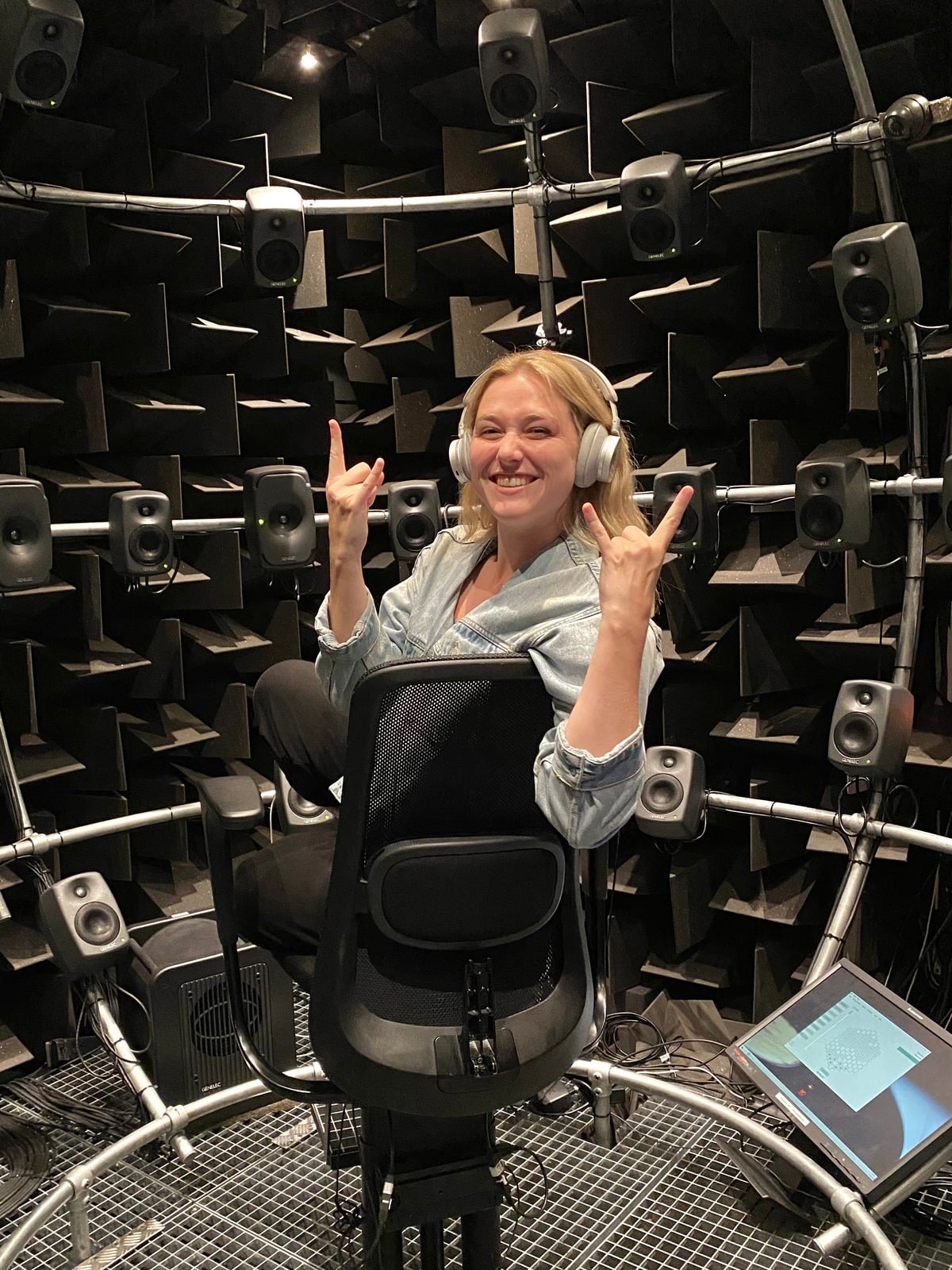
Hi! I'm a creative technologist with eight years of professional experience and a specialization in audio experience design informed by human perspectives.
My work tells stories at the intersection of engineering, design, and perception. I'm excited by projects that use sound and emerging technologies as design materials to prototype new ways of interacting with the world.
I enjoy making things that people haven't seen before. Sometimes that's a high-fidelity demo of a luxury speaker with dancing appendages, sometimes it's a multisensory wine tasting, sometimes it's a scrappy prototype of an AI-powered singing hand.
Magical experience design for a new design studio
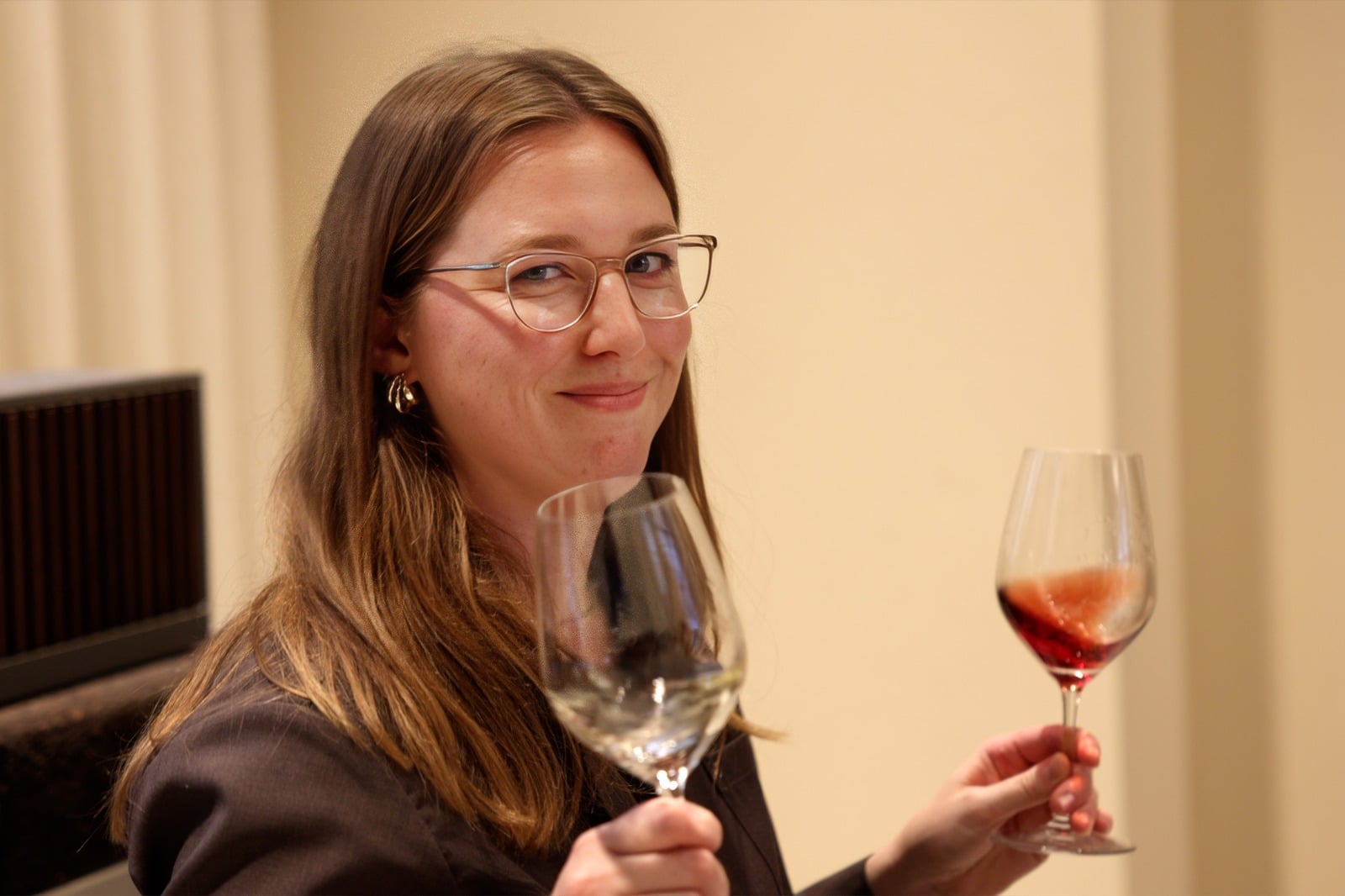
Experience Design exploring the multisensory interaction of flavor and music

Audio technology evaluation design, data collection, analysis, and presentation of results

Museum exhibit interaction and sound design

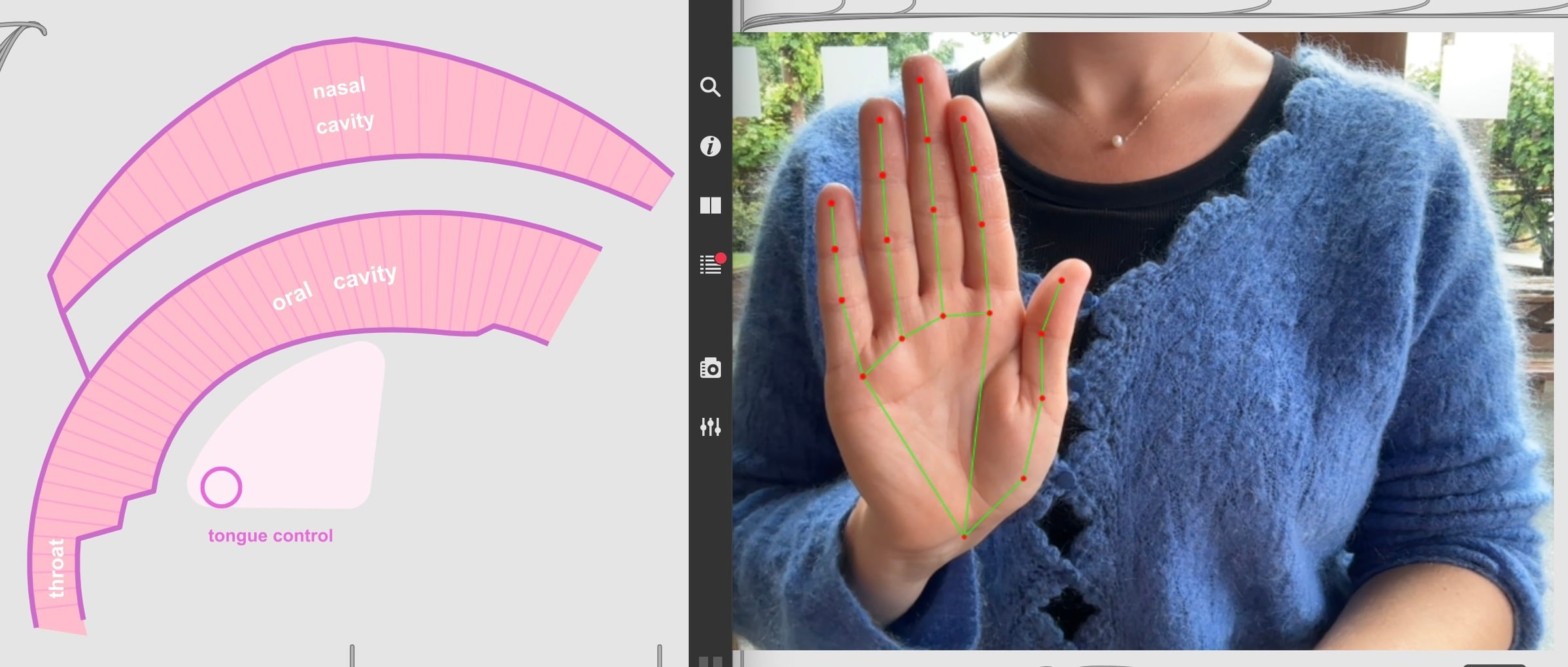
Instruments built from a webcam: singing by hand, knitting into sound, and more
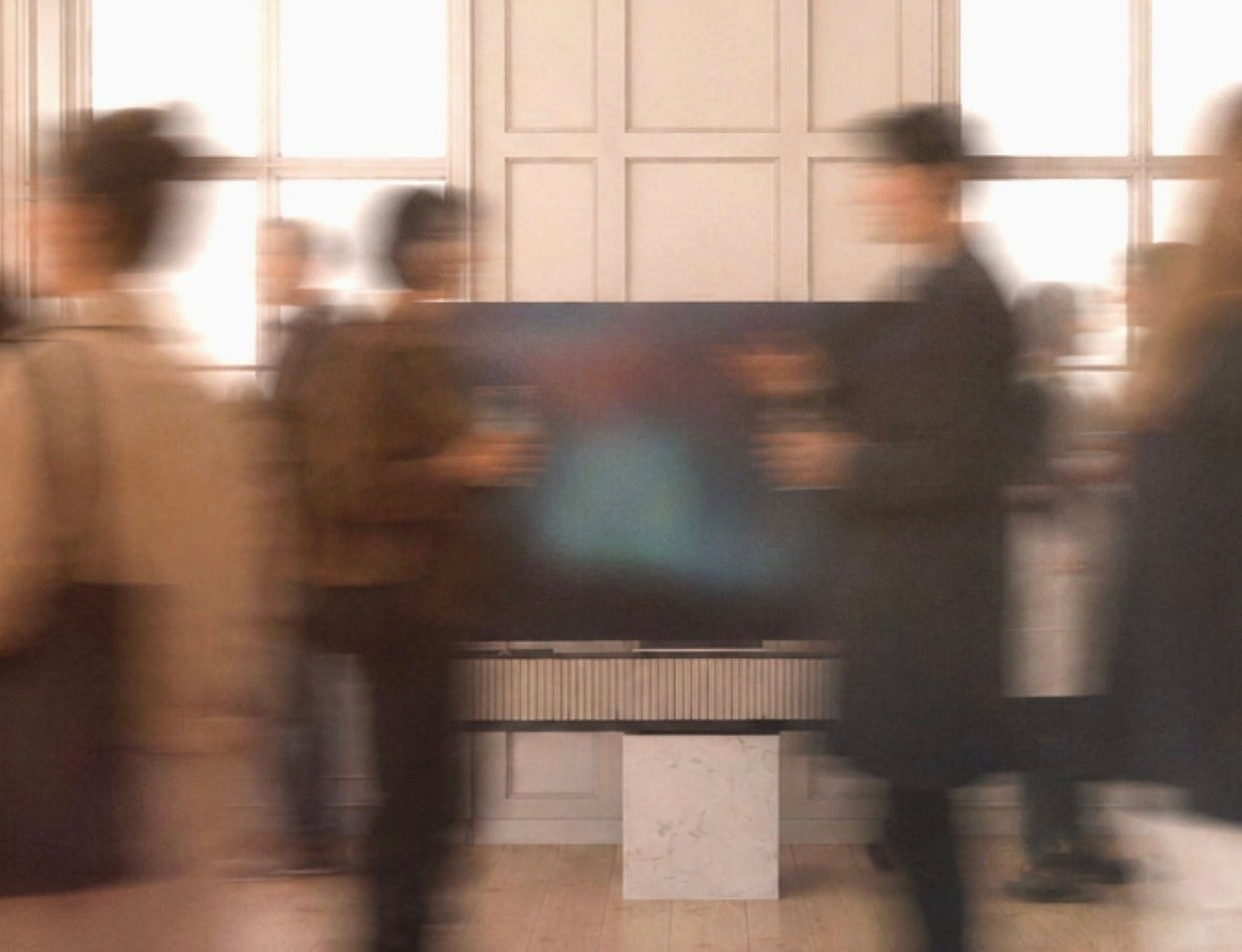
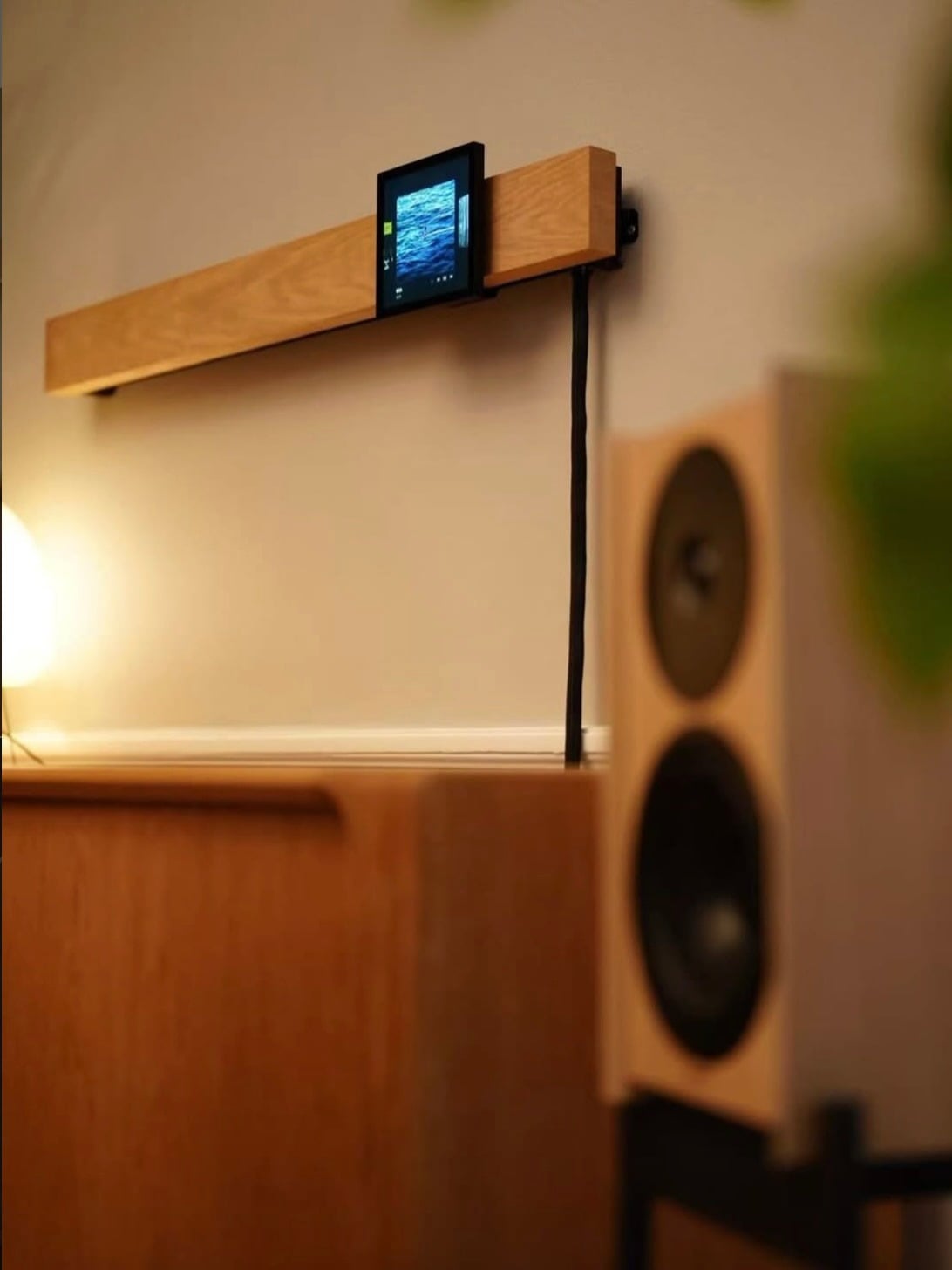
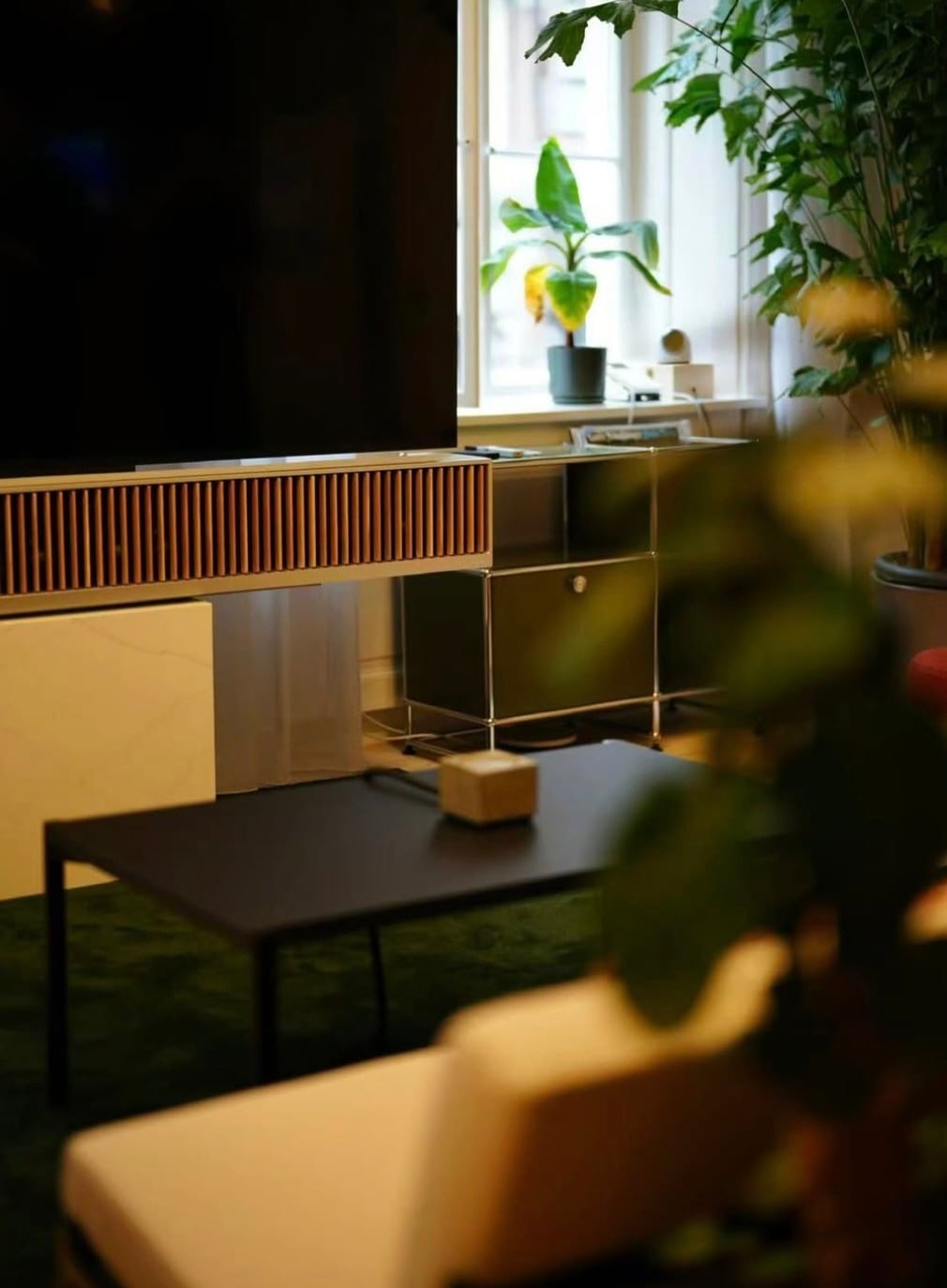
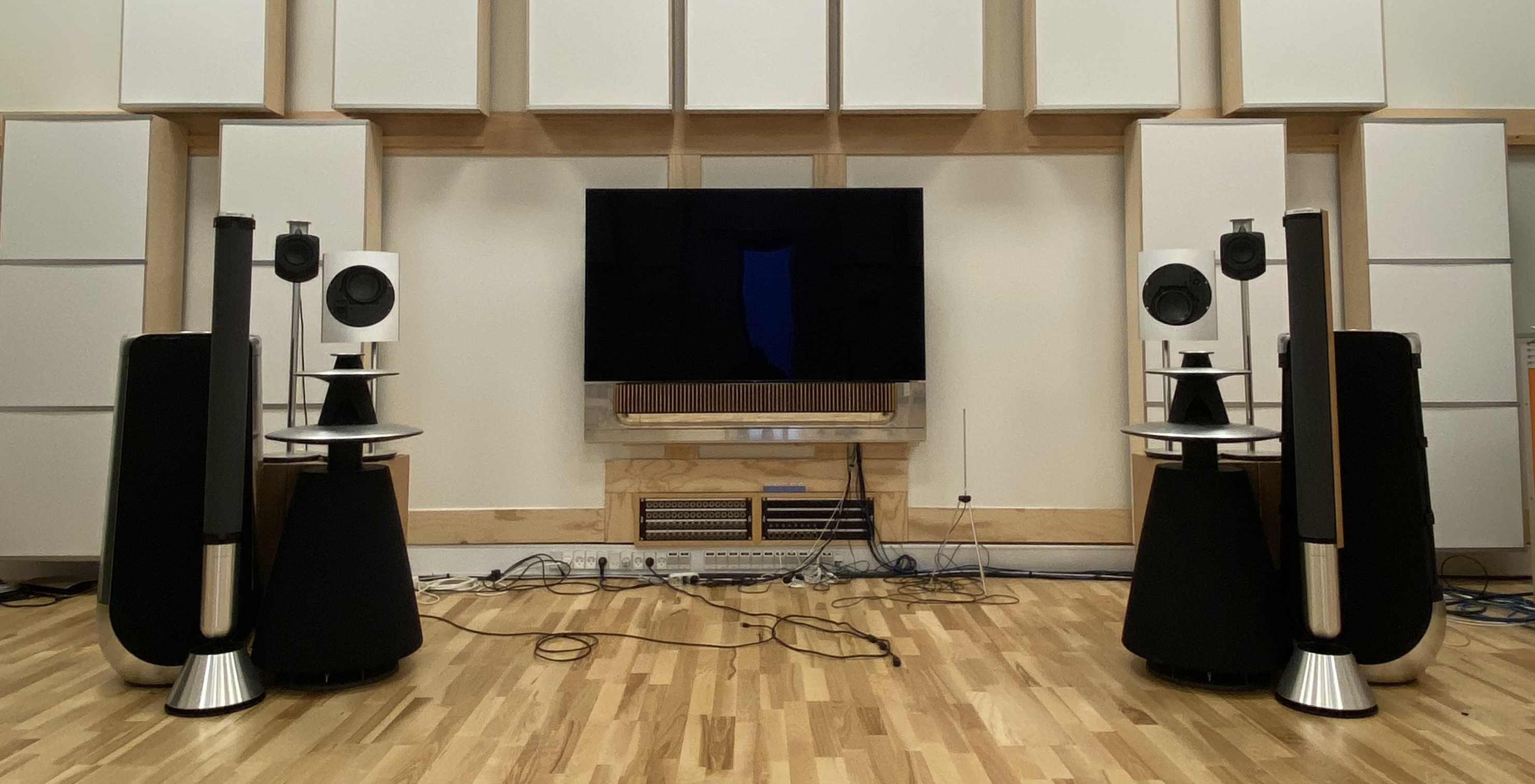
Experience design and creative prototyping for the world's most luxurious audio products
The Audio Magic Lab is an experience design and technology innovation collective - exploring the artefacts, interfaces, and rituals through which we experience sound. As a technical designer and the team's audio specialist, I work to make interaction design for new soundbars, speakers, etc. feel like magic, and explore what the future of sound could be.
Working closely with other designers and engineers, I prototype concepts that explore how emerging technologies can create more engaging and memorable product experiences.
My work spans proof-of-concept prototypes to high-fidelity demos, so stakeholders, VIPs, and the public can experience new designs firsthand. I was on the team that helped establish the design lab, creating a dedicated space for experimentation, collaborative making, and iterative design.


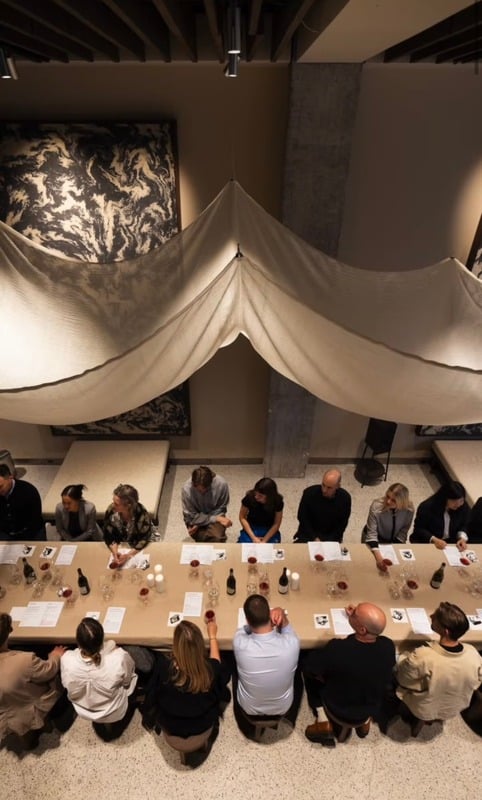
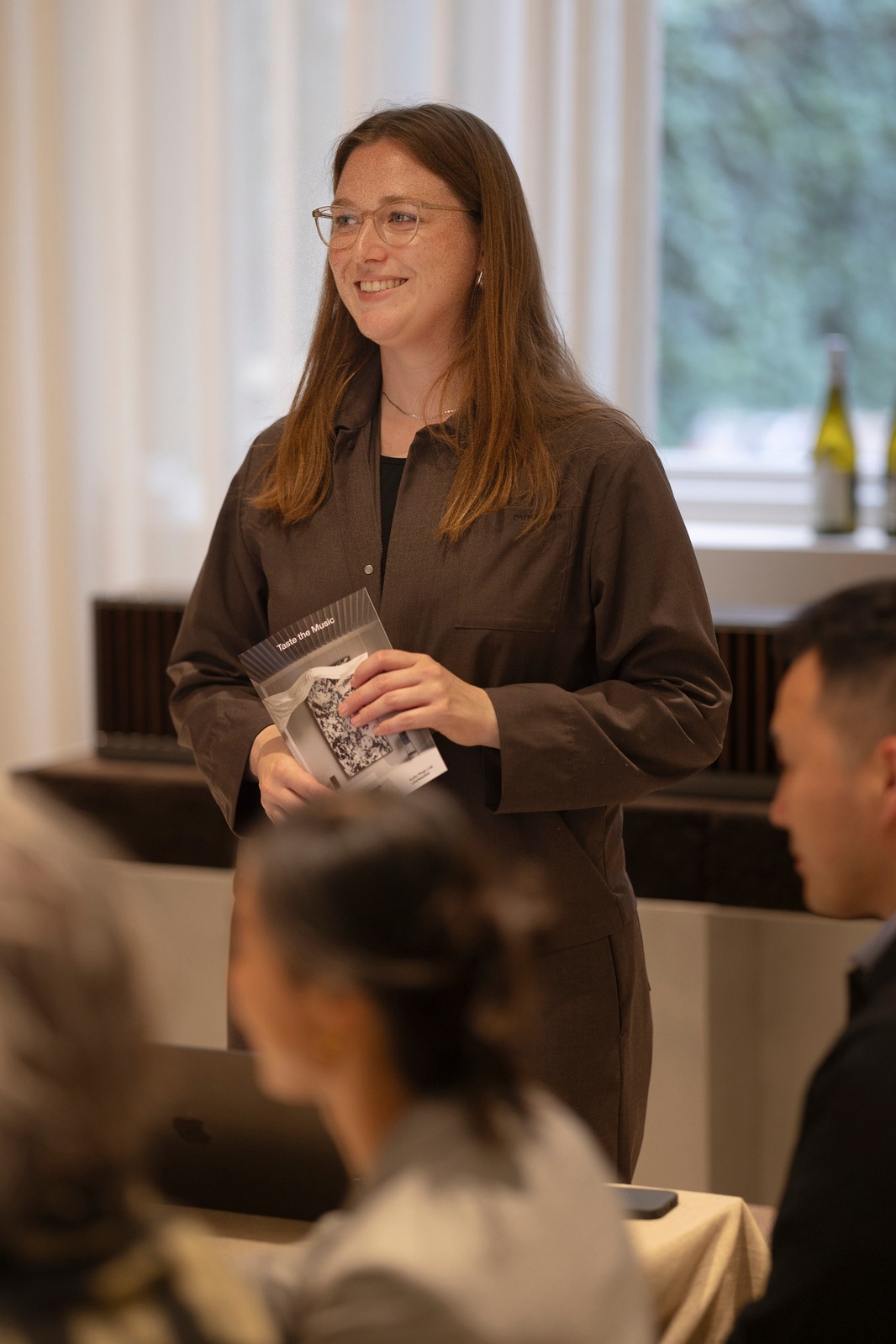
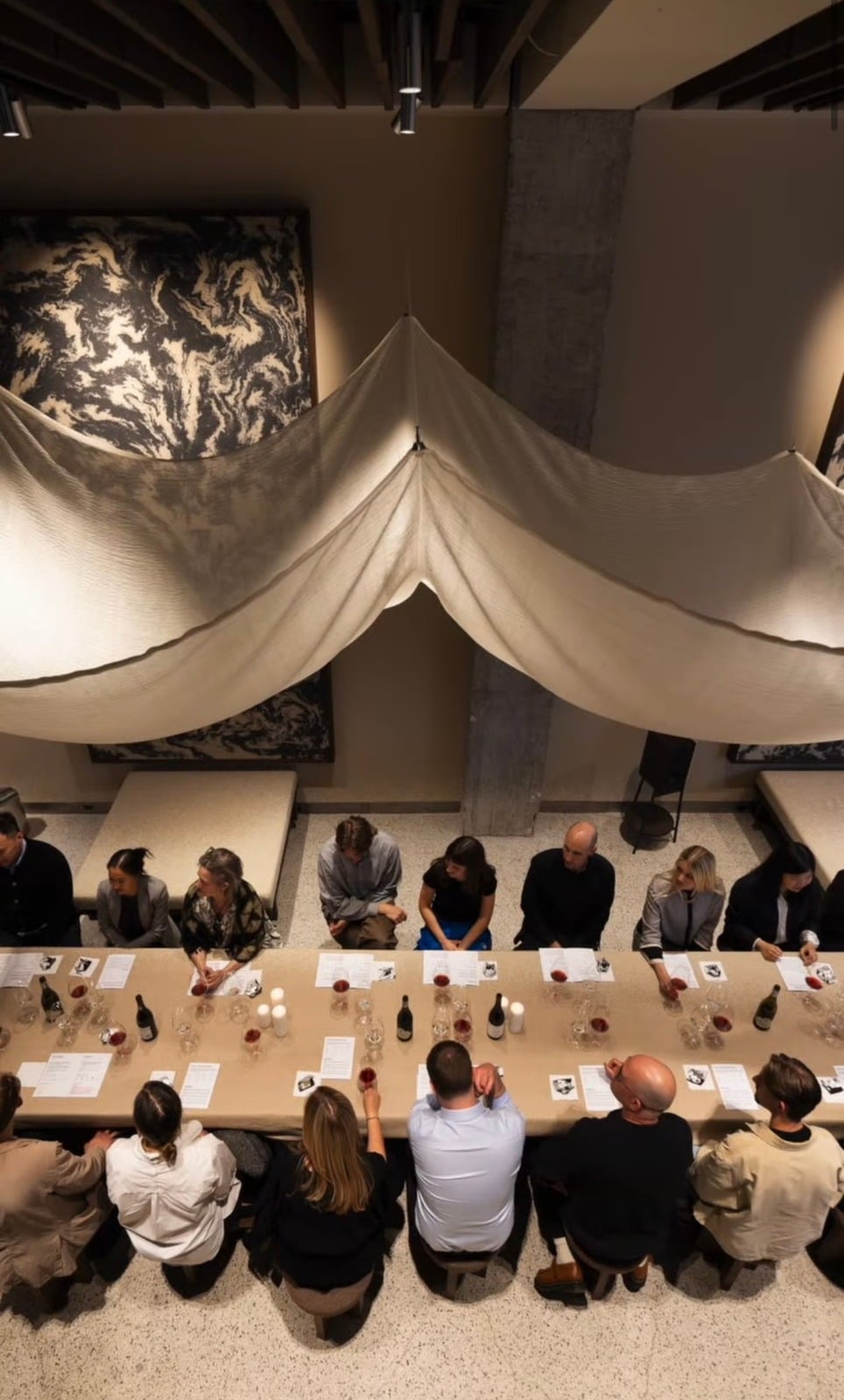
Can music change the way a wine tastes?
That question became the foundation of my master's research and has since grown into an ongoing design practice and sensory exploration. I wanted to understand whether sound alone could influence our perception of flavor, so I designed a series of tasting experiences where the only thing that changed was the music.

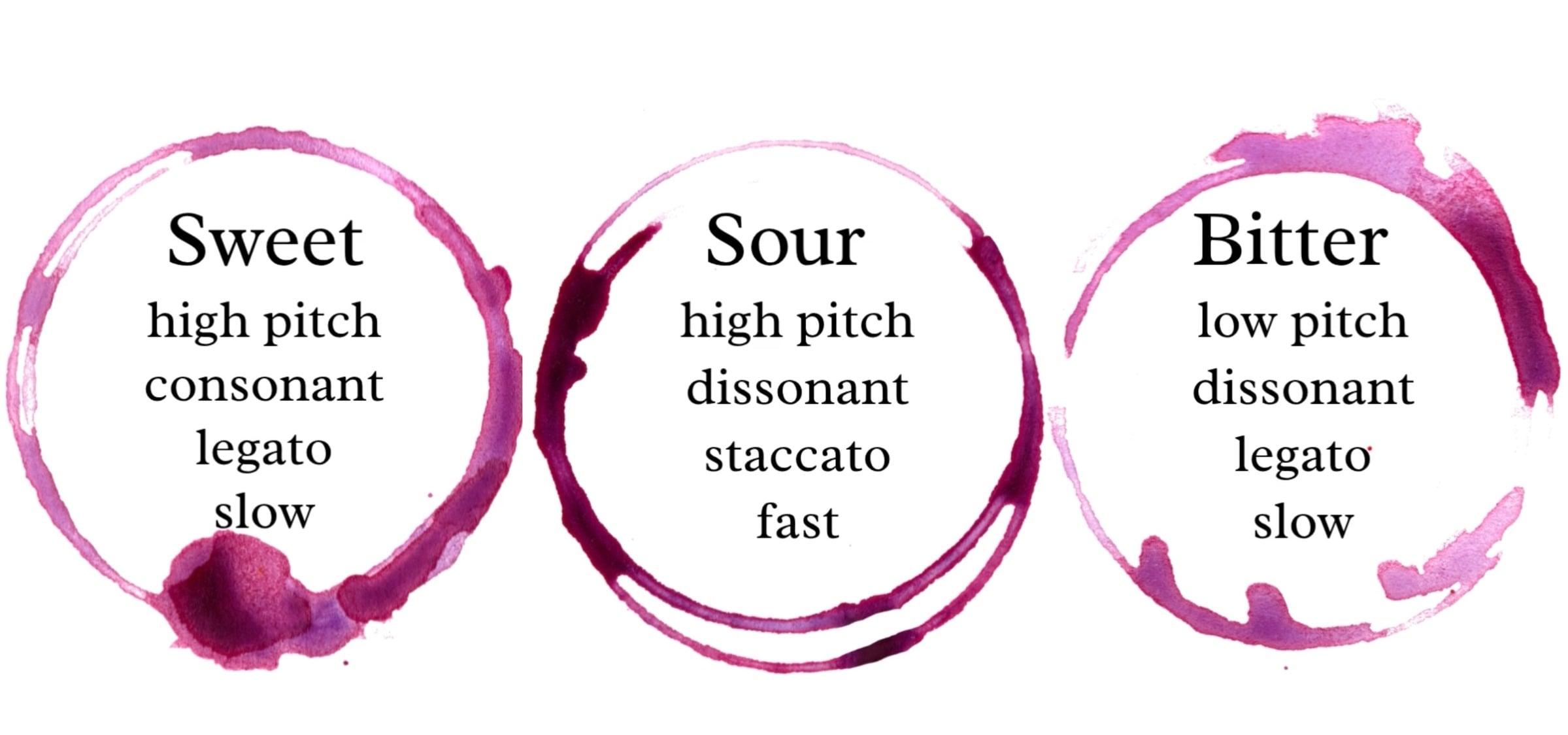
Through repeated sessions with participants, I explored how different soundscapes affected perceived sweetness, bitterness, acidity, and aroma. Rather than relying on assumptions about what "sweet" or "bitter" should sound like, I used data to shape the music itself:

The result was a collection of compositions designed to shift specific aspects of flavor perception, which I continue to use in public tastings and client events to demonstrate how sound can transform the way we experience food and drink.


How can a museum exhibit come alive without a single screen? And can it survive 25,000 people interacting with it for six weeks straight?
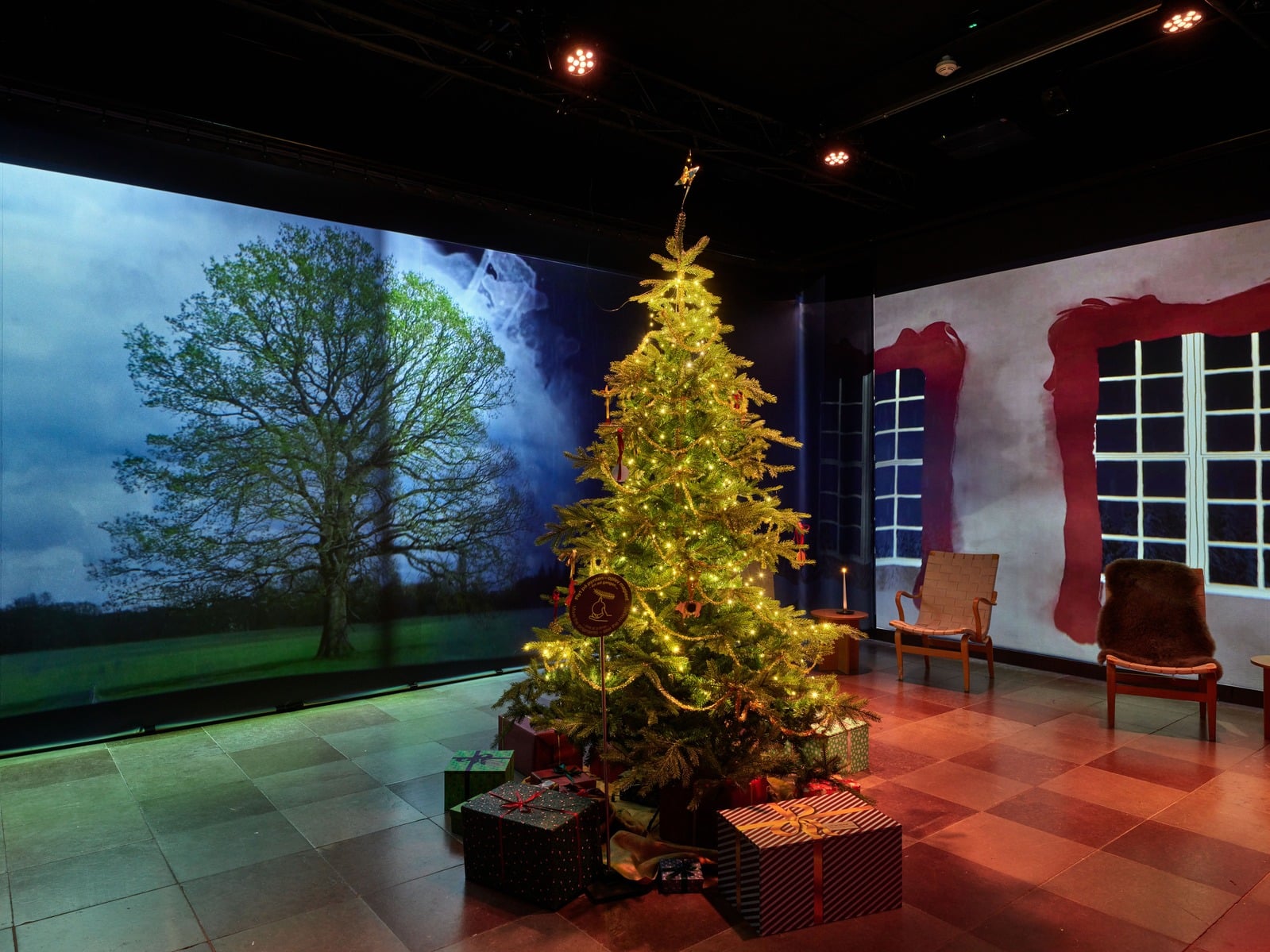
My challenge working on the National Museum of Denmark's 2024 Christmas exhibit was to translate the curators' abstract interpretation of Christmas traditions into something that people could experience without relying on screens or a guided tour. Instead, I used sound, space, and embodied interaction to create moments of discovery that felt playful.
I designed the sound experience for the exhibit and built an interactive Christmas tree using sensors and audio as the centerpiece of the museum's new Play Lab. Because the exhibit welcomed over 25,000 visitors across six weeks, every interaction had to be intuitive, reliable, and robust enough to run continuously without supervision. It was a project that required balancing creative design with practical engineering, and was also great fun.

How do you provide evidence rigorous enough for engineers and executives to bet on a new speaker?
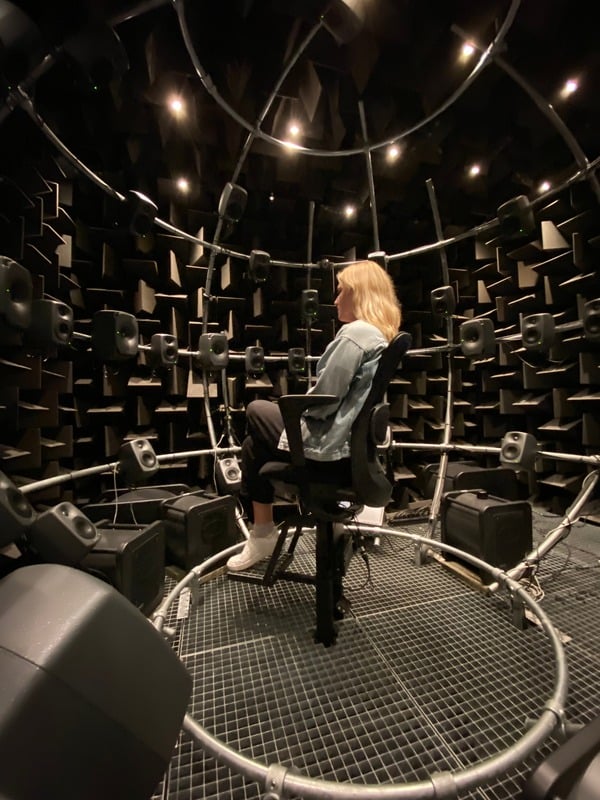
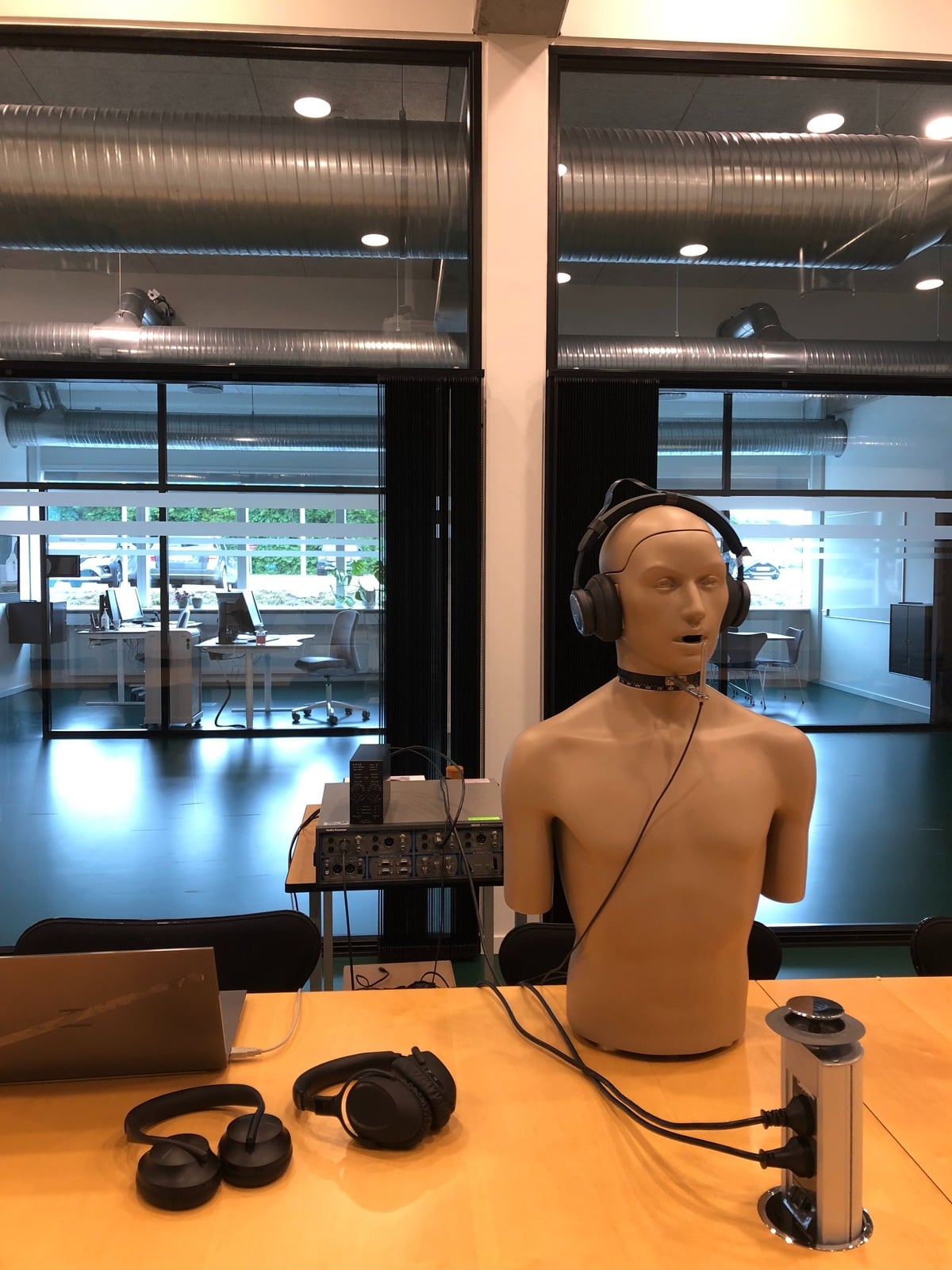
At Bang & Olufsen, I worked as both an audio research engineer and a technology prototyper. My work focused on understanding how users perceive sound, with their human ears, and using that knowledge to guide the development and marketing of luxury audio.
I established the company's audio perception evaluation unit, designing user tests that measured qualities such as speech intelligibility, spatial audio, bass performance, and active noise cancellation across both Bang & Olufsen products and competitor devices.
A day of work could look like training expert listening panel, creating simulations with a fan in front of a microphone to replicate riding a bike in the wind with headphones, or stacking five B&O speakers all next to each other for a blind listening test.
As the team's work became an important part of product development, my role expanded into prototyping new assistive hearing feature demos and proof-of-concept experiences that helped engineers, designers, and leadership experience ideas before becoming products.


Two instruments built from a webcam
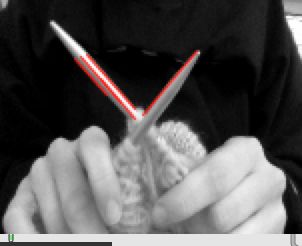
stitch — When tasked with creating a new musical instrument, I leaned on what was available around me – a computer camera and my new hobby of knitting. Line detection picks up movement of the knitting musician and creates sound based on the knitting pattern. Recipient of the 2024 Pamela Z. award for innovation at the conference for New Instruments for Musical Expression.


The human voice controlled by hand gestures — As a lifelong singer, I gravitate toward projects where I can manipulate and study the human voice. This project takes The Pink Trombone and identifies specific physiological parameters that create each of the 5 main vowels in English, and assigns a hand gesture to let the user "sing" vowels and pitches using only one hand. This is done using Google's MediaPipe landmark detection, which uses computer vision and artificial intelligence to grab information about the position and shape of your body. This allows a person to sing a song using only their hands, no matter their natural vocal ability.
Kate Bosen
Copenhagen K
+45 42645679 | +1 9127040419
katebosen@gmail.com